
Your home’s exterior paint does far more than just make your property look attractive. It serves as the first line of defense against weather elements, insects, and structural damage. Many homeowners wait too long to repaint their exteriors, unknowingly allowing small issues to develop into costly repairs. Recognizing the early warning signs that it’s time to call an exterior house painter can save you thousands in potential damage and maintain your home’s value and curb appeal.
What visual signs indicate your home needs an exterior house painter?
The most obvious indicators that your home needs professional attention are visible to the naked eye, yet many homeowners overlook them until they become severe problems.
Color inconsistency is often the first sign. When your home’s exterior shows:
- Uneven fading across walls
- Patchy discoloration, especially on sun-exposed sides
- Noticeable color differences between trim and main surfaces
These variations aren’t just cosmetic concerns—they indicate that your paint’s protective qualities are deteriorating unevenly.
Another clear indicator is chalking, where a powdery residue appears on the surface when you run your hand across it. This happens when paint begins breaking down due to sun exposure and weather conditions, leaving your home vulnerable to moisture penetration.
How does weather damage reveal it’s time for professional painting?
The Dutch climate presents unique challenges for exterior house paint. An exterior house painter knows that our weather patterns cause specific types of damage that signal it’s time for repainting:
“Weather damage to exterior paint is cumulative. What starts as minor surface wear can quickly progress to structural issues during our wet seasons.”
Look for these weather-related warning signs:
- Water stains extending down from rooflines
- Bubbling paint after heavy rain periods
- Brittle or flaking paint, especially on south-facing walls
- Paint that feels rough or gritty after winter
The freeze-thaw cycles common in Almere are particularly hard on exterior paint. When moisture penetrates tiny cracks, then freezes and expands, it creates larger openings for more moisture to enter—starting a destructive cycle that professional painting can prevent.
When do structural concerns signal the need for exterior painting?
Exterior paint isn’t just decorative—it’s protective. When structural materials are exposed, serious damage can occur rapidly.
Wood rot is a critical concern. Check for:
- Soft, spongy areas when you press on exterior wood
- Visible cracks in wooden trim or siding
- Warping or separation at joints and seams
Caulking failure around windows, doors, and trim also indicates it’s time for an exterior house painter. When caulk cracks or pulls away, it creates entry points for water that can damage your home’s structure from the inside out.
Many homeowners don’t realize that these structural issues often begin with paint failure. Professional exterior house painters don’t just apply new color—they identify and address these underlying problems before they require extensive repairs.
Why does fading color mean more than just appearance issues?
Fading exterior paint isn’t merely a cosmetic concern—it’s a warning that your home’s protective shield is wearing thin.
Ultraviolet radiation breaks down paint at a molecular level, degrading the binders that hold pigment and protective ingredients together. Once this happens, the paint no longer provides:
- Moisture resistance
- Protection against mold and mildew
- Insect deterrence
- Temperature regulation
Professional exterior house painters understand that different paint colors fade at different rates. Darker colors typically show wear faster than lighter ones, but all colors eventually lose their protective qualities even if the fading isn’t immediately noticeable.
How can peeling and cracking paint lead to bigger problems?
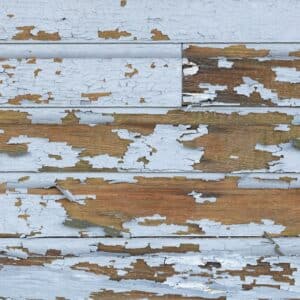
Peeling and cracking are advanced warning signs that should prompt an immediate call to an exterior house painter. These issues indicate that the bond between paint and surface has failed, leaving your home exposed to the elements.
Peeling typically begins in small areas:
- Around windows and doorframes
- Under eaves and overhangs
- At corner joints and transitions
If left unaddressed, these small areas quickly expand. Water infiltration behind peeling paint can cause:
- Wood rot and structural damage
- Mold growth inside walls
- Insect infestation
- Interior water damage
- Increased energy costs due to compromised insulation
Professional exterior house painters catch these issues early, preparing surfaces properly to prevent recurrence and applying high-quality paints that maintain their bond even under challenging conditions.
What moisture-related issues should prompt a call to an exterior house painter?
Moisture is your home’s greatest enemy, and paint is its primary defense. Several moisture-related signs indicate it’s time for professional attention:
Mildew or mold growth on exterior surfaces shows that your current paint has lost its mildew-resistant properties. These organisms don’t just look unsightly—they actively break down paint and the materials beneath.
Blistering paint (where small-to-medium sized bubbles form) indicates that moisture is trapped beneath the paint surface. This happens when:
- Interior moisture pushes outward through walls
- Rain penetrates tiny cracks and gets trapped by sun exposure
- Dew repeatedly forms and evaporates under failing paint
An experienced exterior house painter will identify the source of moisture problems and recommend solutions before applying new paint, ensuring longer-lasting protection.
How many years can you wait between exterior paint jobs?
While many homeowners try to maximize time between painting projects, waiting too long often leads to more extensive preparation and repairs.
Professional exterior house painters recommend repainting every:
- 5-7 years for wood siding
- 7-10 years for fiber cement
- 15-20 years for brick (if previously painted)
However, these timeframes can be significantly shorter in Almere’s climate, where moisture and temperature fluctuations accelerate paint deterioration.
Several factors affect your specific timeline:
- Paint quality used in previous applications
- Color (darker colors typically need more frequent repainting)
- Home orientation and sun exposure
- Proximity to water
- Quality of previous preparation work
The cost of waiting too long typically far exceeds the cost of timely repainting. Professional exterior house painters provide value not just through application but by preventing expensive structural repairs.
Why choose Pro Painting for your exterior painting needs in Almere?
At Pro Painting, we specialize in identifying and addressing exterior paint issues before they become major problems. Our experienced team brings specialized knowledge of Almere’s unique climate challenges and how they affect exterior paint performance.
We provide comprehensive exterior painting services that include:
- Thorough inspection and documentation of existing issues
- Professional surface preparation including repairs, cleaning, and priming
- High-quality paints specifically formulated for Dutch weather conditions
- Proper application techniques that ensure maximum durability
- Clear warranties that protect your investment
Our clients appreciate our attention to detail, transparent communication, and commitment to lasting results. We understand that exterior painting is both an aesthetic choice and a critical maintenance decision for your home’s long-term value.
Don’t wait until you see serious damage—contact Pro Painting today for a professional assessment of your home’s exterior condition and a customized recommendation for protecting your investment.
FAQ about exterior house painting services
- How often should I have my house exterior professionally painted?
Most homes in Almere benefit from repainting every 5-7 years, though this varies based on your home’s materials, previous paint quality, and exposure conditions. - What time of year is best for exterior painting in Almere?
Late spring through early fall typically provides the ideal temperature and humidity conditions, though our professional techniques allow for quality results in extended seasons. - How long does an exterior painting project take?
Most residential projects take 3-5 days, depending on home size, condition, and weather conditions during the project. - Will you repair damaged areas before painting?
Yes, our comprehensive service includes identifying and repairing damaged wood, siding, and trim before painting to ensure a proper foundation for your new paint. - What types of paint do you recommend for exteriors in Almere?
We use premium acrylic latex paints with specific formulations for our climate, providing superior adhesion, flexibility, and resistance to moisture and UV damage.


